Insights·Cases
EB-1A for a professional guitarist: approved with no RFE in 11 months
A Forward Visa case
“A talent visa is for scientists and people in IT” is the objection we hear most often from musicians. Alina, a professional guitarist, was approved for EB-1A without a single question from the officer — no Request for Evidence (RFE). Her video, and why in the arts the main work is not to gather evidence but to separate it from noise.
Sergei Voronin · published September 26, 2026 · Updated: September 26, 2026 · 4 min read
EB-1A
Category
Guitarist
Profession
0
RFE
11 mo., no premium
Processing
Approved, E11
Outcome
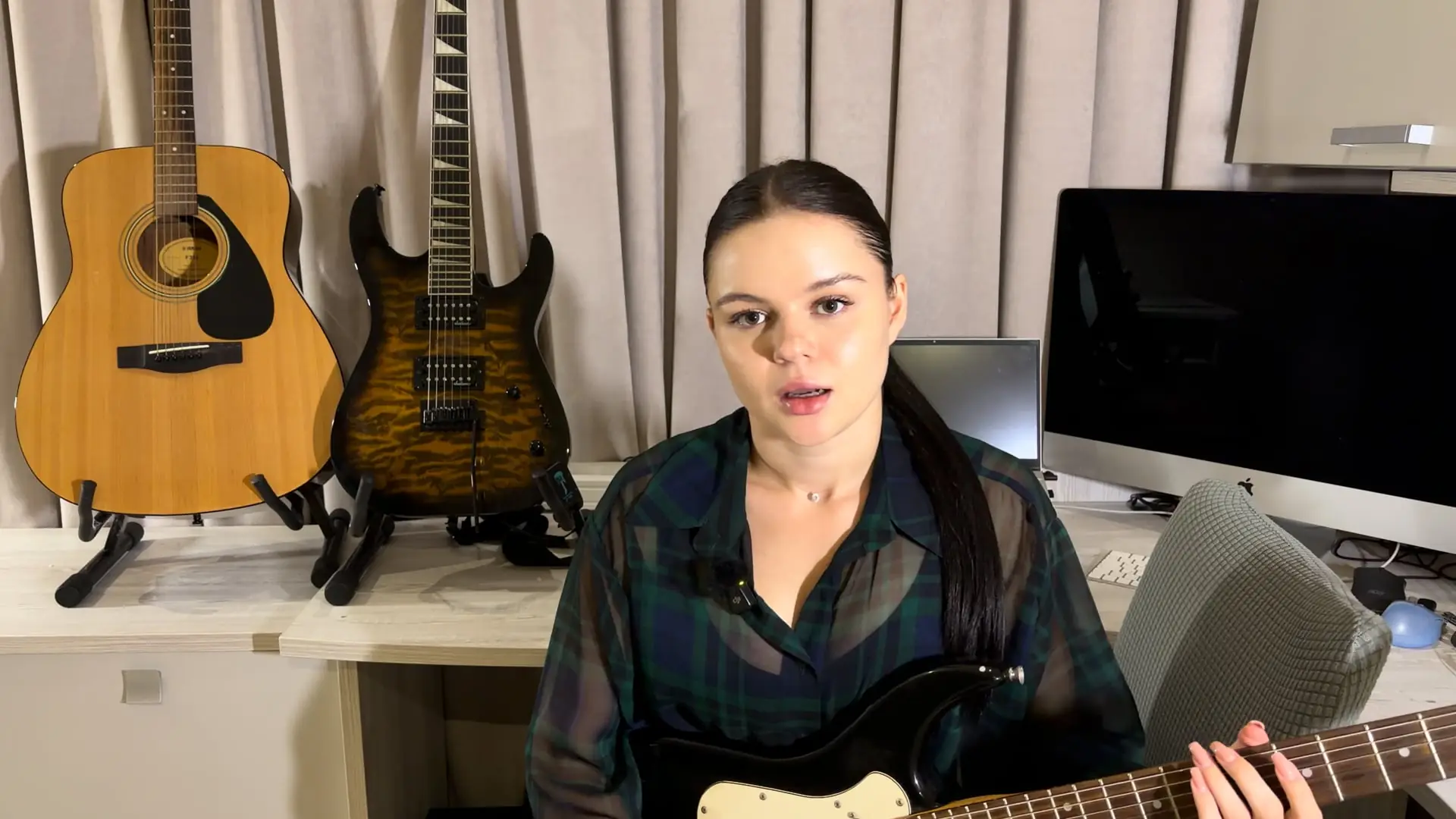
“My path to EB-1A was built around the profession of professional guitarist. In concrete terms: 11 months of review. The outcome — the petition was approved with no RFE. What I value in Forward Visa is that they help separate real evidence from noise and assemble it into a story an officer will understand quickly.”
— Alina, professional guitarist, EB-1A
Who she is, and what she brought
Alina is a professional guitarist: concerts, ensembles, recordings, teaching — the career people in other fields dismiss with “that is not science.” EB-1A is open to the arts in exactly the same way as to science and business. The ten criteria are the same, and so is the standard: standing among the small percentage at the top of the field. The difference is what the file is made of. A musician usually has more evidence than an engineer, and half of it does not work.
Why is selection the main work in the arts?
Posters that do not name the venue. Social-media posts about concerts. Comments from listeners. Diplomas of participation from festivals that had no selection. Recordings of performances with no facts about the hall or the audience. All of it looks convincing to a person — and it answers none of the questions an officer asks when he reads a petition against the wording of the criteria: where is the organization with a reputation, where is the publication with an editorial staff, where is the competition with a jury, where is the independent expert who confirms the contribution.
The word “noise” in Alina’s testimonial is exact. An artist’s petition fails not from a lack of material but from too much of it: forty exhibits, four of which count, read by the officer as an attempt to win by volume. Our method in these cases is to cross things out first and add later. Keep only the documents that meet a specific criterion, each with a dossier on the organization, the publication or the competition, and then build whatever is missing until there are a confident three or four criteria, with room for the final merits determination.
How was the petition filed?
The petition was filed without premium processing. Alina was not up against a status deadline, and eleven months of waiting did not change the outcome — they did save several thousand dollars in fees. The decision came with no RFE: the officer accepted the petition on the original filing. The approval category is E11, which is EB-1A on a self-petition, with no employer.
For anyone choosing between premium processing and regular processing: premium processing speeds up only the USCIS decision, not the whole path. If consular processing or a wait on the Visa Bulletin will take months anyway, regular processing is the rational choice. If a status in the United States is running out, or an offer cannot wait, premium processing is required. The timeline is set out in “The U.S. talent visa”.
The advocate's comment
An approval with no RFE in the arts is not luck. It is the result of selection. In artists’ petitions we decline more documents than in any other field, and every poster we cross out is a question the officer will not ask. The story he reads in twelve minutes has to be made of facts outside your own audience: venues, publications, competitions, experts. If the facts are there, the file is thin and convincing. If they are not, it is thick and exposed — and then we build first and file later.
What should musicians and artists take from this?
- The criteria for the arts are the same ten. The officer expects evidence outside your own audience: venues, publications, competitions with selection, organizations with a reputation.
- Half of an artist’s file is noise. Selection matters more than quantity: a petition with no RFE is usually shorter than a petition that draws one.
- Regular processing instead of premium processing is an acceptable choice when there is no rush on status. Eleven months of waiting did not change the outcome.
Whether you have grounds for EB-1A in the arts is in the self-check in the article on the criteria and in the quiz below.
This material is informational and is not legal advice on your situation.
Complimentary
Check your chances
in two minutes
Seven questions — and a preliminary read of your profile and category.